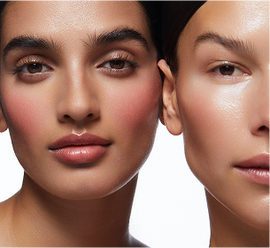

Our Best Products for Dehydrated Skin
To visibly target dehydration, we recommend these two formulations as a priority.
Our Best Products for Dehydrated Skin
How to Recognise Dehydrated Skin:
You may notice a dull complexion, pronounced fine lines and skin that feels tight or uncomfortable. Makeup may settle into creases or appear uneven.
What Actives Are Needed to Treat Dehydrated Skin:
Humectants such as hyaluronic acid and glycerin draw moisture into the skin, while barrier-supporting ingredients like niacinamide help lock it in. Avoiding harsh cleansers prevents further water loss.
AM Skincare Routine
To target dehydration, we recommend this curated AM routine.
AM Skincare Routine
PM Skincare Routine
To target dehydration, we recommend this curated PM routine.
PM Skincare Routine
Treatment for Dehydration
The EpiNova Facial
Our signature facial to visibly firm, hydrate and revitalise, for ultimate skin renewal.
Frequently Asked Questions
Dehydrated skin lacks water content within its layers, which can lead to a dull or uneven appearance. This condition can affect all skin types, even those prone to oiliness.
Dehydrated skin may appear dull, tight, or fatigued, with fine, crepey lines that become more visible throughout the day. The surface can feel rough or textured, and makeup may settle unevenly.
Restoring hydration requires reinforcing the skin’s barrier and replenishing water-binding ingredients. Incorporate key actives such as niacinamide, lipids and ceramides.
Dry skin and dehydrated skin are related but not the same. Dry skin is a skin type caused by a lack of oil (sebum), whereas dehydrated skin is caused by a lack of water in the skin.
Common signs of dehydrated skin include a tight or uncomfortable feeling, particularly after cleansing, along with a dull, lacklustre complexion. Skin may appear less plump, making fine lines more noticeable, and can lose elasticity, taking longer to bounce back when pinched. Itchiness, a rough texture, and a tired appearance.
Yes — wrinkled or fine lines can be a sign of dehydrated skin. When skin lacks water, it loses plumpness and elasticity, making lines and wrinkles more noticeable.
Learn More
Yes, dehydrated skin can absolutely be oily. Because dehydration is about water loss and not oil, even someone with oily skin can lack hydration. In fact, skin may produce more oil to compensate for the lack of moisture
The key difference is this:
Dry skin: a skin type caused by a lack of oil (sebum).
Dehydrated skin: a temporary skin condition caused by a lack of water.
Discover skincare for dehydrated skin. Shop Now
To help dehydrated skin regain moisture and resilience, focus on both internal and external hydration. Drink plenty of water daily, and support your skin with hydrating skincare products containing humectants like hyaluronic acid, glycerin or panthenol to attract and retain water. Explore The Integrity Collection for products to manage dehydration.